
The Lexus RZ’s Quiet Revolution
Clynton Yon speaks to Greg Cress about the Lexus RZ, EV ownership, charging habits, and why the transition to electric mobility can be easier than first-time drivers expect.
Originally published by Lexus Life. Written by Clynton Yon in collaboration with Greg Cress; republished on Electric One with Greg Cress’s co-owner permission. Charging photographs supplied by Greg Cress. View original source.
On this page
Road-trip gallery
The journey in pictures
1 of 8
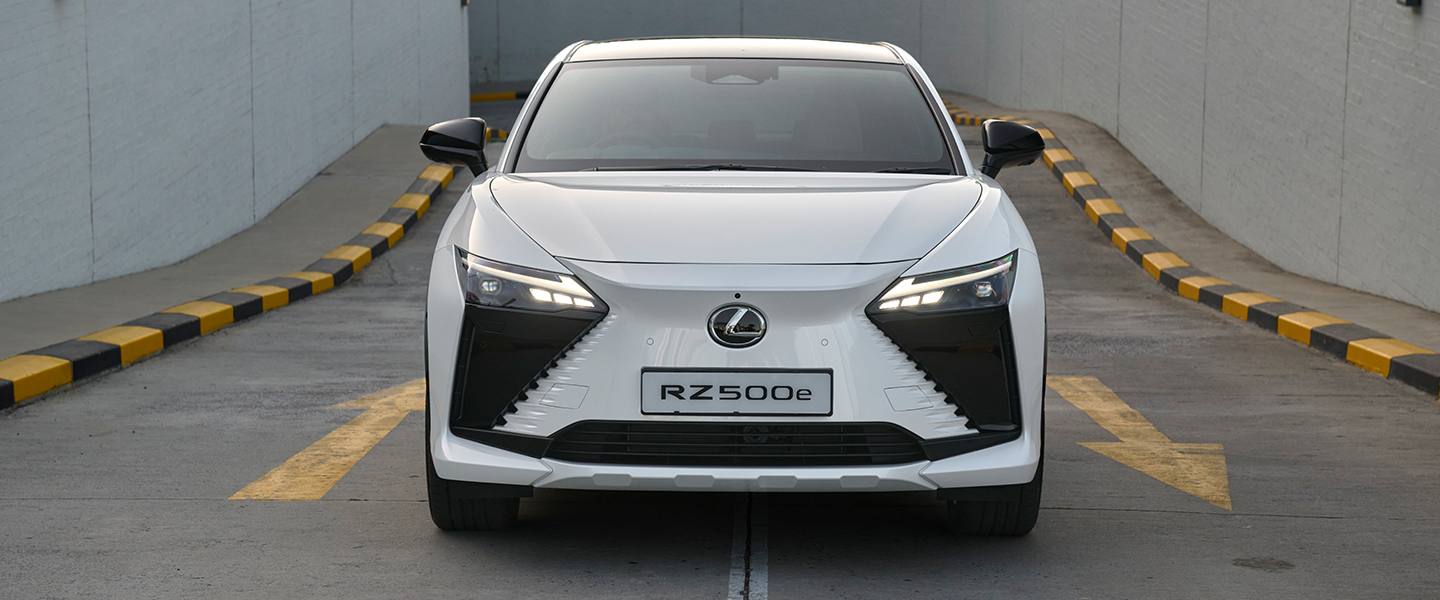
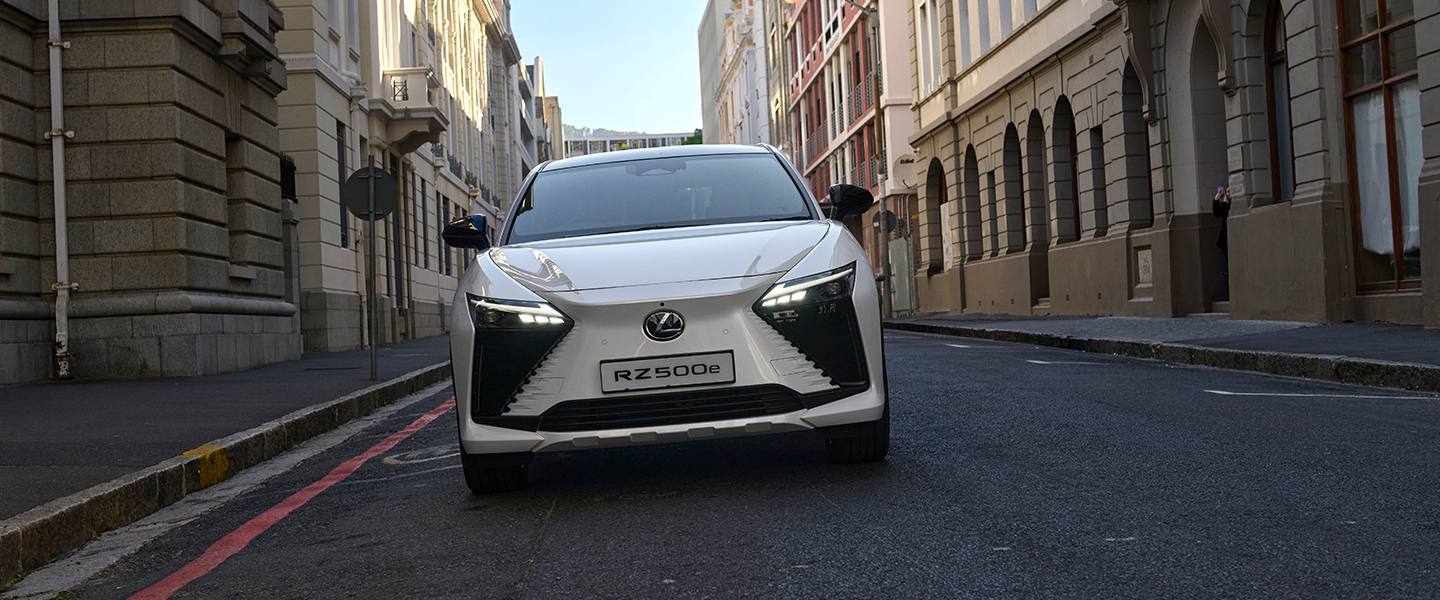
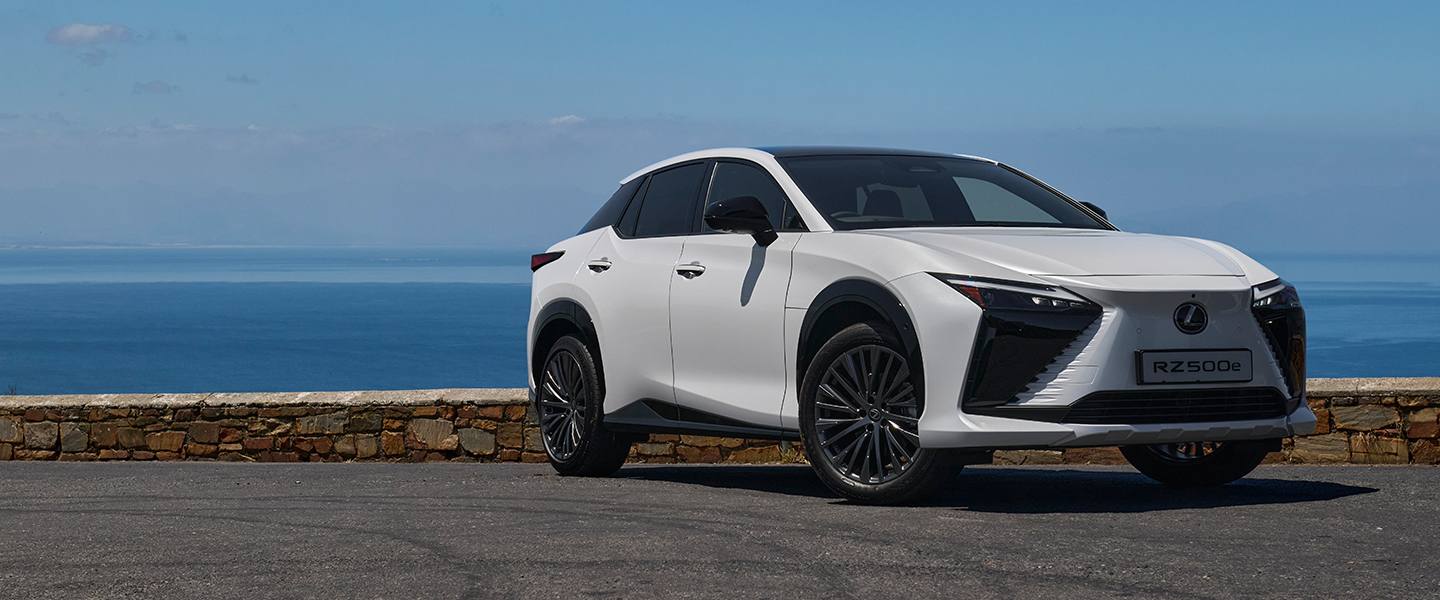

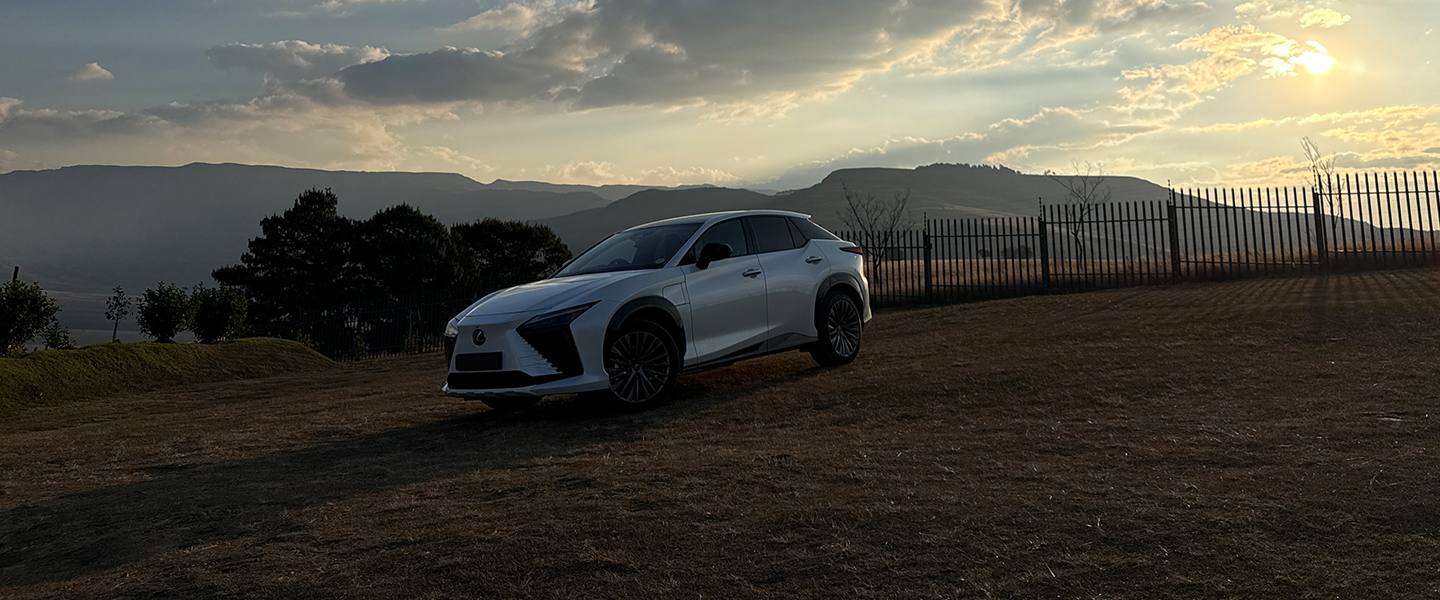
Use the controls or select a thumbnail.
Originally published by Lexus Life and written by Clynton Yon in collaboration with Greg Cress. Republished by Electric One with permission from Greg Cress, who supplied the charging photographs. The first-person driving observations are Clynton’s.
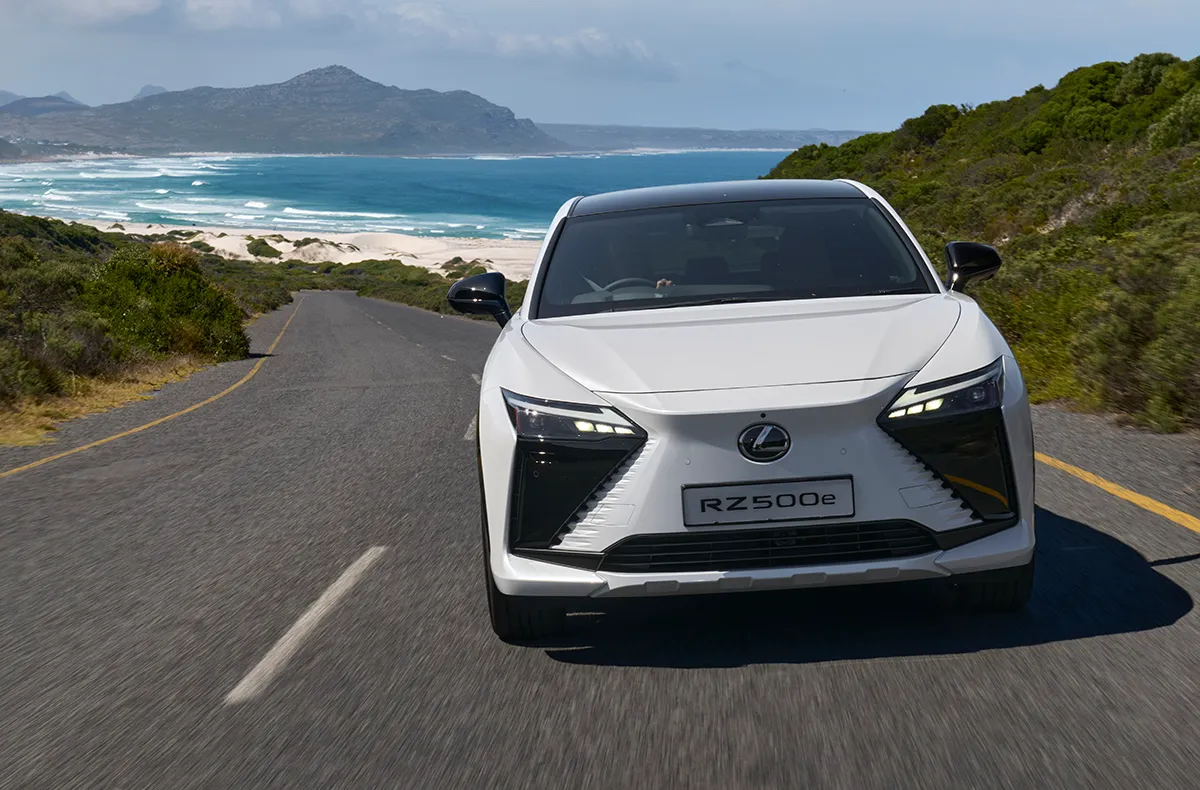
If Greg Cress represents the seasoned EVangelist, then I am more in the camp of the curious newcomer. I have driven an electric vehicle only a handful of times. My daily driver is a manual Volkswagen Polo Life, while my second vehicle is a Toyota Land Cruiser 79 - arguably about as analogue as modern motoring gets. They are a world away from a sophisticated luxury EV like the Lexus RZ.
That said, the Lexus brand is not unfamiliar territory. Having previously headed communications for Toyota and Lexus South Africa - and owned several Lexus models during my tenure - I am well acquainted with the brand’s DNA. What intrigued me most about the RZ was not simply that it is Lexus’s first globally available, purpose-built battery electric vehicle, but how the company has translated everything the brand stands for into the electric age.
To separate perception from reality, I spoke to Greg Cress, Principal Director: Automotive & eMobility at Accenture, engineer, strategy consultant, and long-time EV advocate. Having lived with electric vehicles for several years, Greg regularly shares practical insights into EV ownership through Electric One and his wider industry engagements.
What quickly became apparent is that many of the concerns surrounding electric vehicles come not from experience, but from assumption.

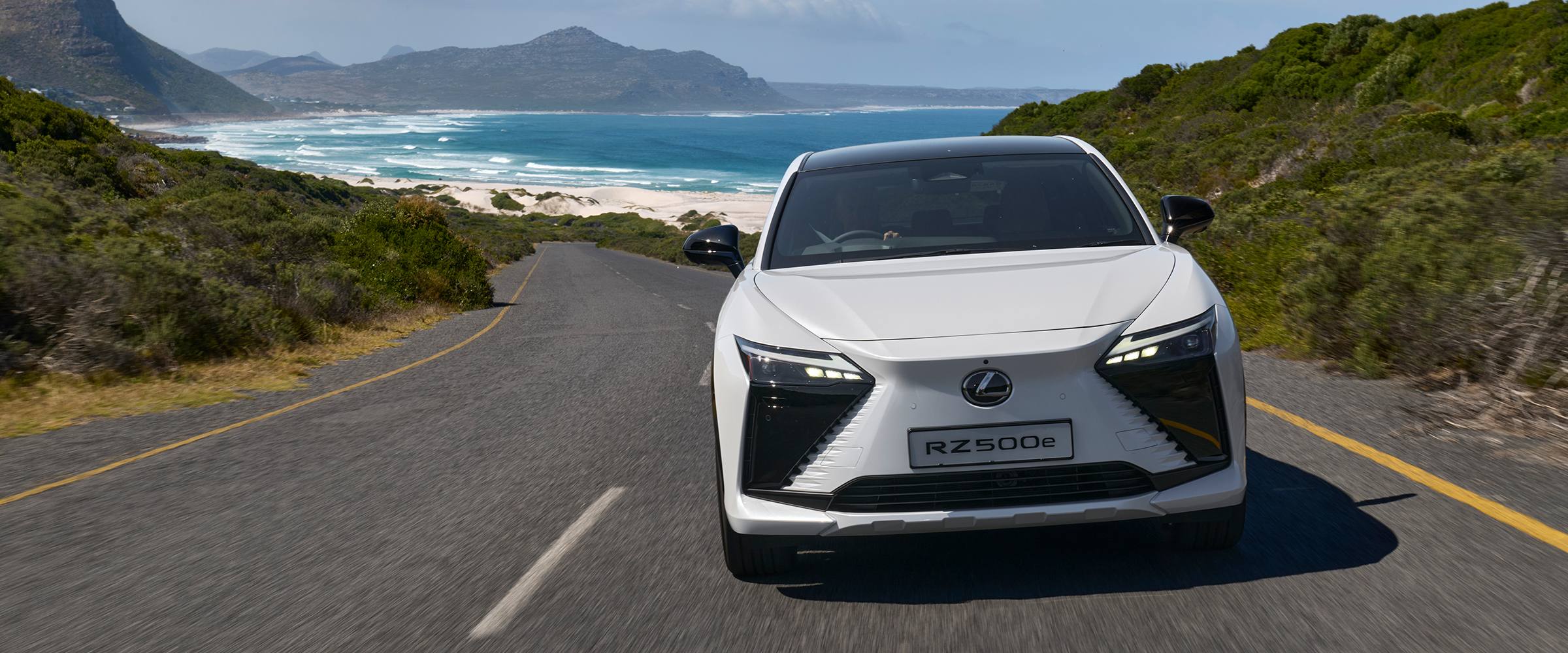
Greg Cress on a recent road trip from Johannesburg to the Drakensberg in the Lexus RZ. Image supplied by Greg Cress.
A Lexus first, an EV second
For Greg, the Lexus RZ made an immediate impression.
“My first impression was that Lexus has taken the EV brief seriously,” he says. “The RZ feels premium from the moment you get in, but what stood out most was how composed it is on the road.”
Rather than chasing headline-grabbing acceleration figures or futuristic gimmicks, the RZ feels reassuringly familiar. Greg describes the ride as exceptionally smooth, while the immediate response of the electric drivetrain creates an effortless sense of performance rather than something dramatic or intimidating.
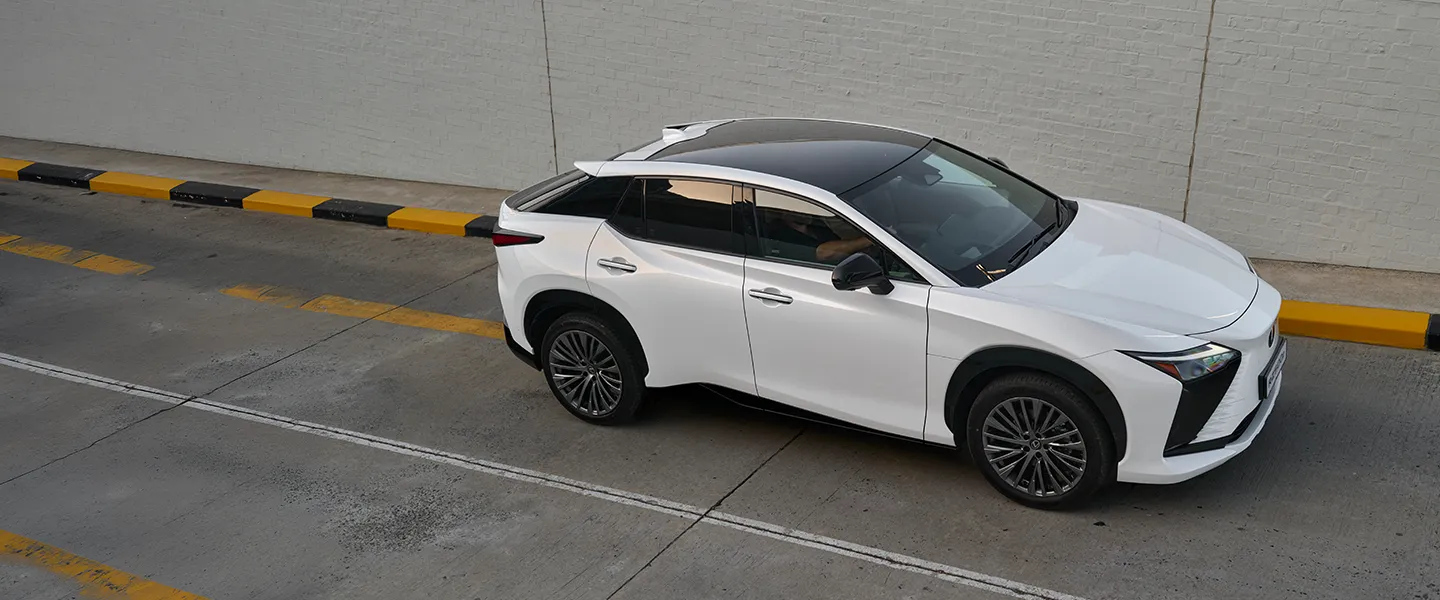
“In the AWD and DIRECT4 configuration, that instant response gives it a real sense of precision and confidence. Visually, it’s a striking car, but in a way that feels distinctly Lexus rather than trying too hard to look futuristic.”
That observation perfectly encapsulates Lexus’s approach to electrification. Rather than reinventing luxury, the RZ reinterprets the qualities that have defined the brand for decades: refinement, craftsmanship, effortless comfort, and - I completely concur - serious performance delivered without theatrics.
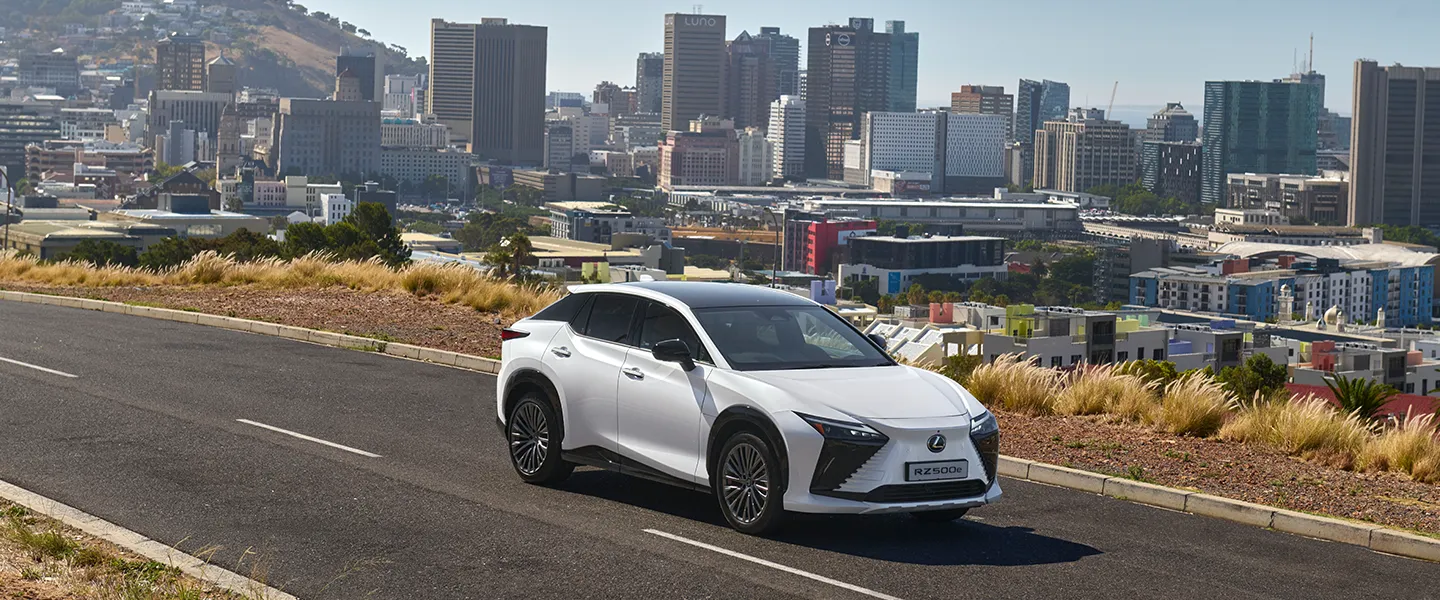
The RZ 500e SE I sampled has a claimed 0-100 km/h time of 4.6 seconds. The flagship 550e F Sport trims a further two-tenths from that figure. The acceleration is rapid, but its delivery remains linear and controllable.
One feature that caught my attention is the steering. My test car did not have Lexus’s compact steer-by-wire wheel. The new RZ range introduces steer-by-wire on selected configurations; where fitted, steering inputs are transmitted electronically without a mechanical connection between the steering wheel and the front wheels. Lexus says the system is designed to remain direct and responsive while filtering unwanted vibration. Other RZ configurations retain conventional electric power steering.
Dispelling the myths
Unlike many prospective EV buyers, Greg approached electric mobility without hesitation.
“I’m already a seasoned EV driver,” he explains. “I’ve spent the better part of three to four years actively trying to dispel myths and misconceptions around EV ownership, both professionally and personally.”
His passion eventually led him to launch a YouTube channel dedicated to educating South Africans about electric mobility.
“I realised how much misinformation still exists. Once you live with an EV properly, a lot of the fear just falls away and it becomes a natural and rewarding part of your lifestyle.”
It is a sentiment that underpins almost every conversation around electric vehicles. Many of the perceived barriers simply disappear once owners gain real-world experience.
Preparation makes all the difference
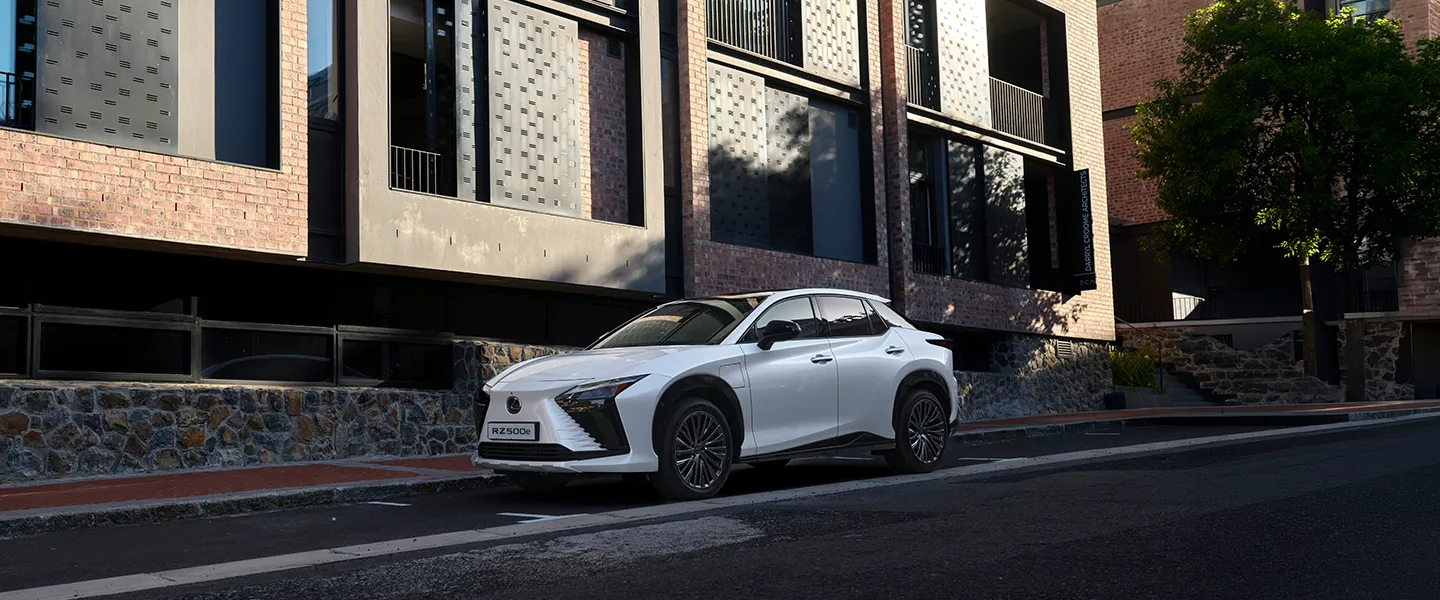
One of the more interesting insights Greg shared is that successful EV ownership begins long before taking delivery of the vehicle. Before purchasing his own EV, he upgraded his home’s solar installation and installed a dedicated Wallbox charger months in advance.
“My advice is always to think about the infrastructure first, not as an afterthought.”
He offers an analogy that instantly makes sense.
“It’s like bringing a new baby home. You don’t start preparing the baby’s room only once you have the baby.”
With the right preparation, he says, the transition becomes almost effortless.
Charging becomes part of your lifestyle
Ask someone who has never owned an EV what worries them most and charging infrastructure will almost certainly be high on the list.
Greg estimates that South Africa has more than 600 public charging points.
“And anywhere there’s a plug, you can charge.”
The practical detail is that the connector, available power, permission to use the outlet, and electrical safety still matter. The wider point is that charging is not confined to a petrol-station model. GridCars alone now lists more than 450 public stations on its network.
The more significant adjustment is changing the way we think about “refuelling” altogether.
“People assume they have to ‘fill up’ the same way they would with an internal combustion engine vehicle,” Greg explains. “You don’t. You simply adapt to a different rhythm. You charge at home, at work, at a shopping mall, at a hotel, or wherever your day naturally takes you.”
His own routine demonstrates how quickly charging becomes second nature. With a daily commute of around 50 km and a real-world driving range of approximately 380 km in his own EV, Greg generally charges only once during the working week before topping up over a sunny weekend using his home’s solar system.
“I’m never suddenly surprised by low range,” he says. “I’m prepared for it and manage it.”
Running-cost savings depend on the electricity tariff, charging mix, vehicle efficiency, and the petrol or diesel vehicle used for comparison. In a recent TechCentral discussion, Greg and Gary Scott estimated public fast-charging at about 60% of the running cost of petrol, with home charging closer to 25% - and less still when using home solar.
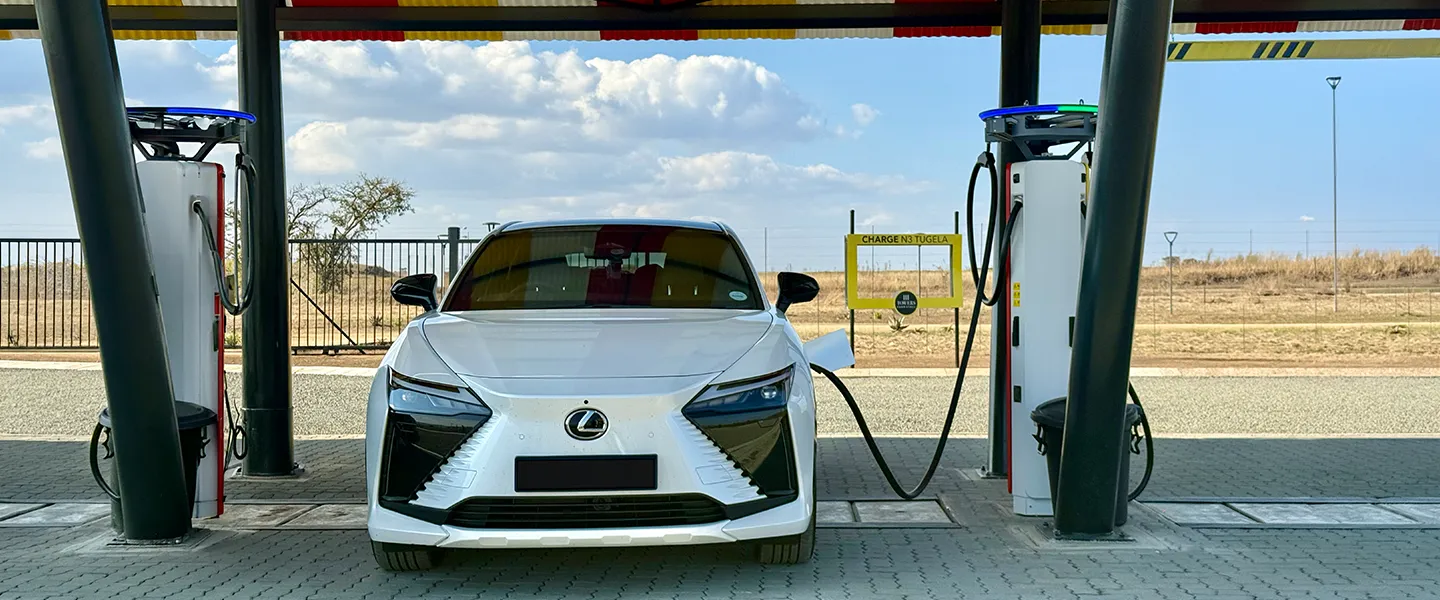
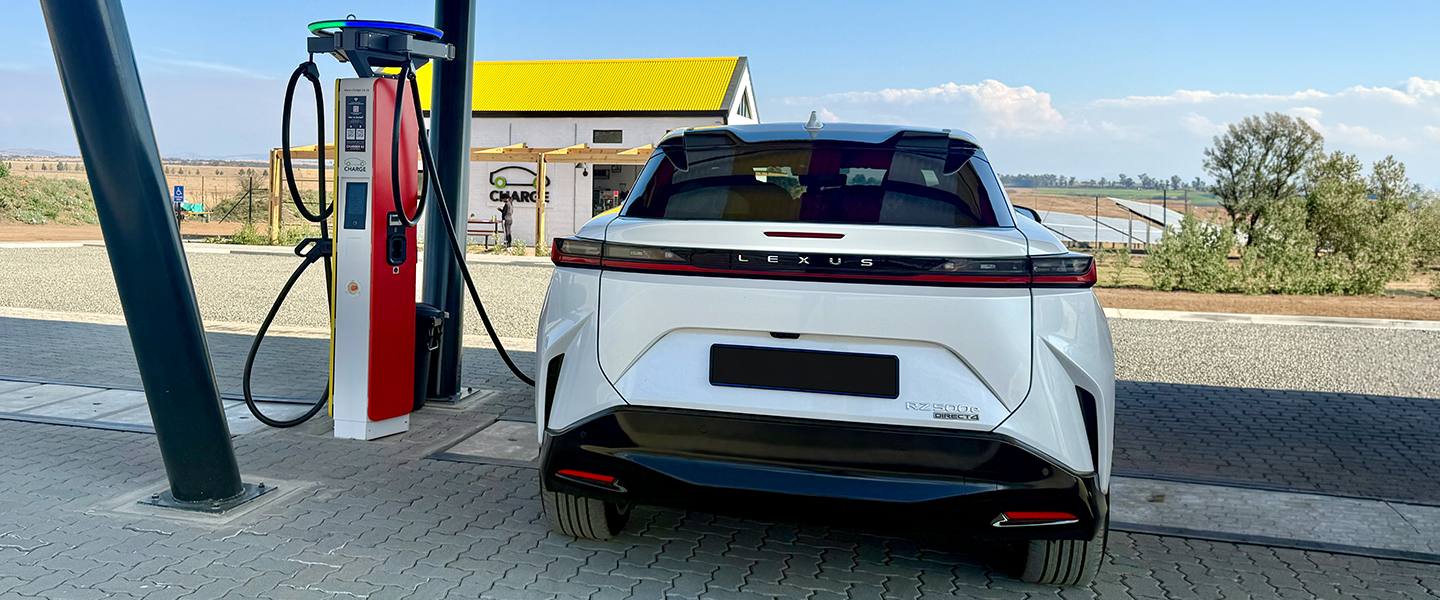
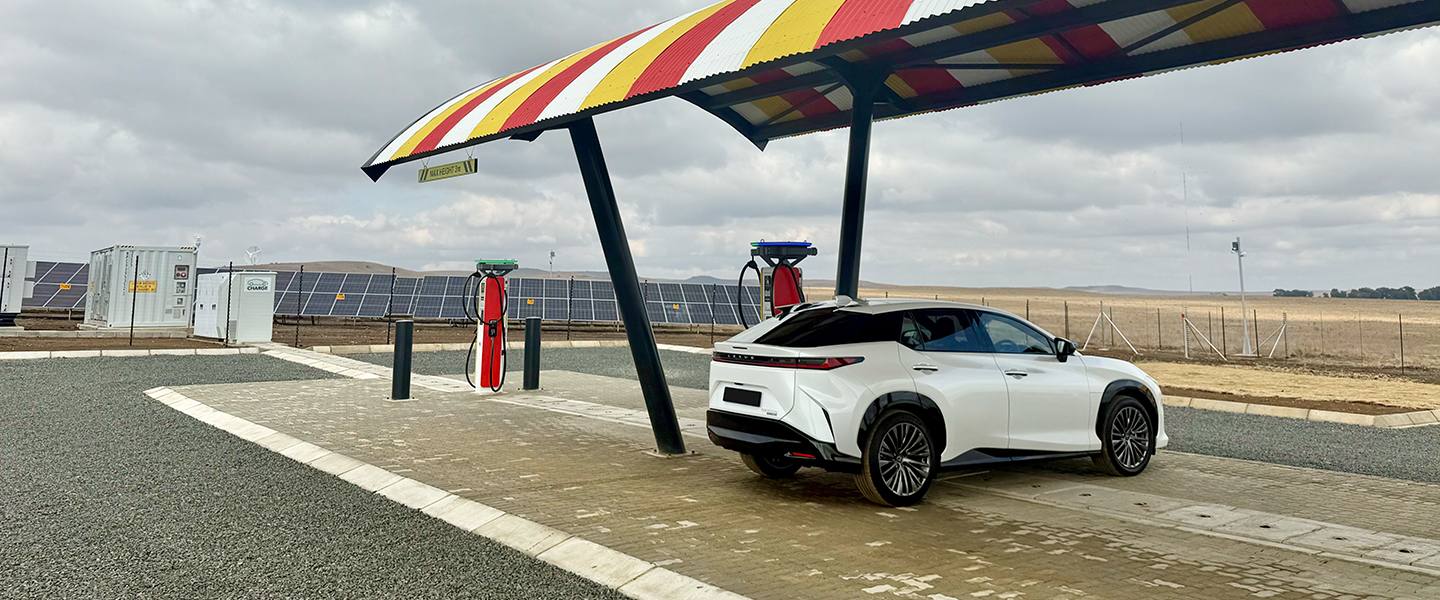
Photo: Greg Cress.
Understanding range anxiety
No phrase has become more closely associated with electric vehicles than “range anxiety”. Ironically, Greg believes it is largely experienced by people who do not own EVs.
“I actually think range anxiety is more of an ICE driver fear than an EV owner fear,” he says.
Instead, experienced EV drivers tend to worry about something else.
“The bigger concern is charger reliability anxiety - arriving somewhere and finding the charger offline or occupied.”
The situation is improving as South Africa’s charging network continues to expand. Once owners understand the real-world capabilities of their vehicles, range becomes another number they manage naturally, much like the fuel level in a conventional vehicle.
Road trips become more intentional
Long-distance travel is another topic that often dominates conversations around EV ownership. For Greg, successful road trips are about planning differently rather than compromising convenience.
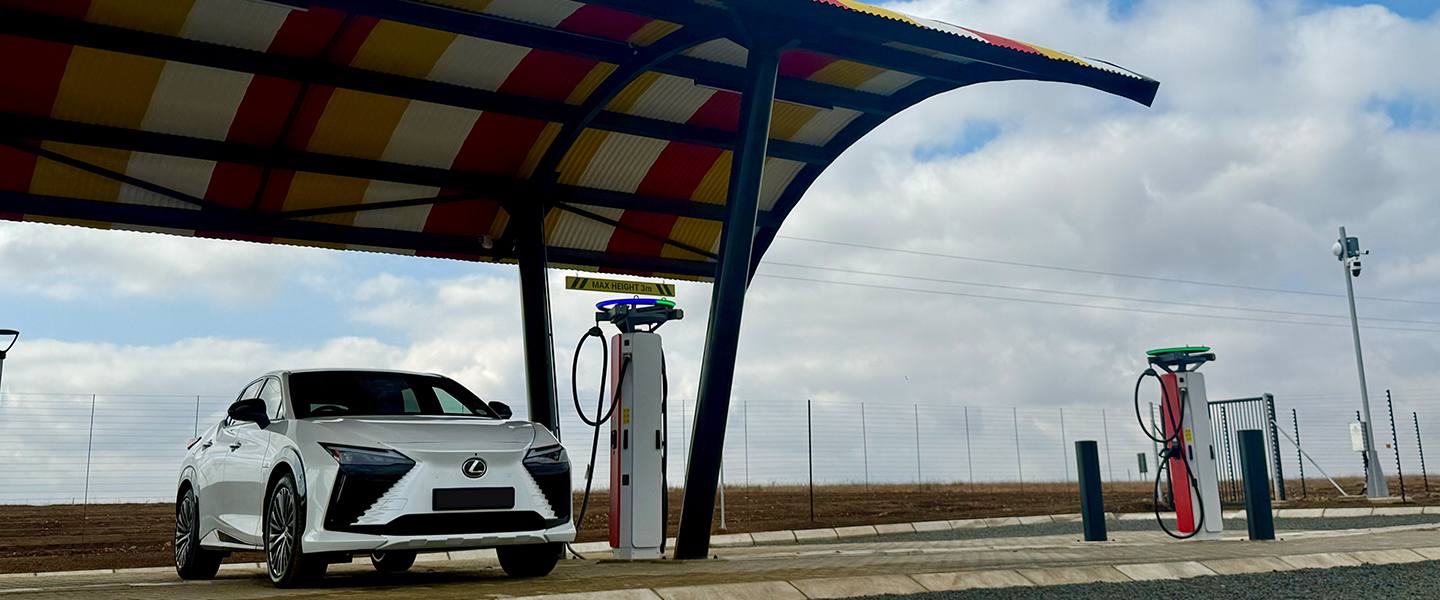
He relies on charging tools such as GridCars ChargePocket, Rubicon’s network information, and CHARGE to map charging locations before setting off, while keeping a close eye on predicted battery levels throughout the journey. Rather than trying to drive hundreds of kilometres without stopping, he plans natural breaks around charging opportunities.
“I’ve learned that road trips in an EV are not a race to the destination,” he says. “They’re far more about the journey, and you arrive much less stressed.”
His philosophy is not simply theoretical. Greg recently put the Lexus RZ to the test on a road trip to the Drakensberg, documenting the experience from planning charging stops through to the realities of long-distance EV travel. Rather than focusing solely on the destination, he demonstrates how the journey itself becomes part of the experience - something he believes ultimately makes travelling by EV more enjoyable.
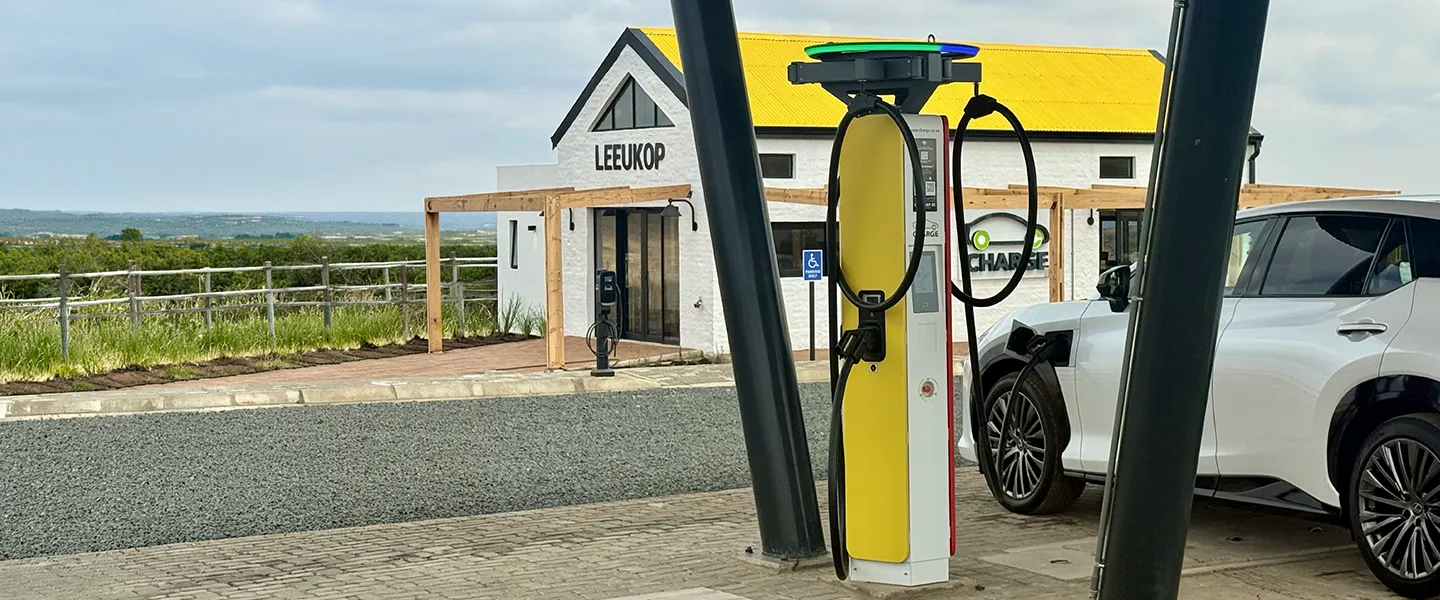
Photo: Greg Cress.
The Lexus difference
While many manufacturers entering the EV space have focused on headline performance figures or eye-catching technology, the Lexus RZ takes a more measured approach. It is an electric vehicle that does not ask long-standing Lexus owners to embrace an entirely different philosophy of motoring. Instead, it builds on everything they have always appreciated about the brand.
For Greg, that is what makes the RZ feel so authentically Lexus.
“It doesn’t abandon the brand’s core strengths just because it’s electric,” he says. “The interfaces still feel familiar and intuitive, especially the driver display, so there’s no learning curve for the sake of novelty. More importantly, the level of luxury is unmistakable. It has that distinctly Lexus sense of calm, polish and attention to detail, translated into an EV package.”
That philosophy extends beyond the technology. Rather than making electrification the headline, Lexus has used it to amplify the qualities for which it has long been admired.
It is an observation that resonates with me. One of the things I have always admired about Lexus is that it has never shouted about luxury. Instead, it expresses it through thoughtful design, refinement, and an almost obsessive attention to detail. That philosophy has not changed in the RZ. If anything, electrification has given Lexus an even quieter canvas on which to express those values.
Greg is equally optimistic about Toyota’s research into solid-state battery technology.
“I wouldn’t be surprised to see a Lexus EV capable of travelling more than 1,000 kilometres on a single charge within the next couple of years.”
That is Greg’s forecast, not a confirmed Lexus model plan or launch date. Whether the timeline proves accurate or not, it highlights an important point: the pace of innovation in electric mobility is accelerating rapidly.
“The brand has the credibility, engineering depth and premium positioning to make electrification feel considered rather than gimmicky.”
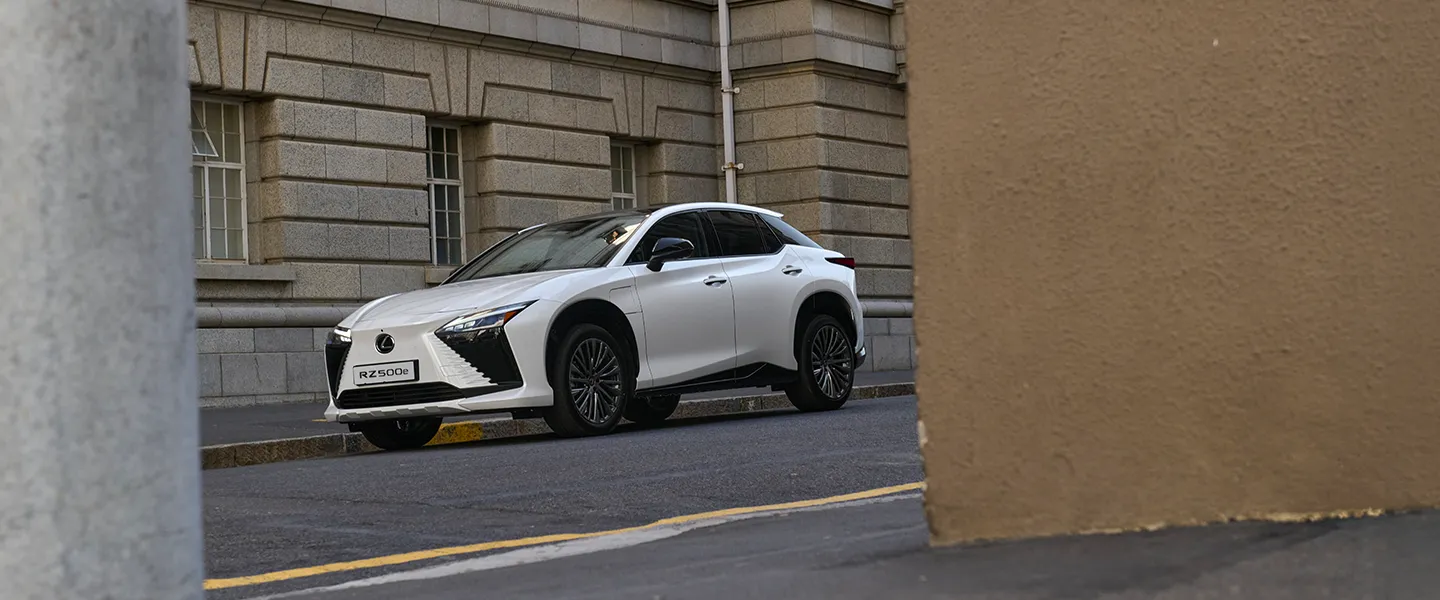
One piece of advice
For readers who remain uncertain about making the leap to electric mobility, Greg’s recommendation is refreshingly simple.
“Take an EV for a test drive.”
He believes no amount of online research can replace the experience of feeling the immediate torque, the serenity of an electric drivetrain, and the effortless way an EV responds in everyday driving. He likens today’s transition to the arrival of the internet during the 1990s.
“People were nervous about moving away from fax machines and fixed-line telephones, yet technology moved forward. Electric mobility represents another one of those shifts.”
His final piece of advice may be the most valuable of all:
“Find a trusted source for your EV information and your own journey. Look for people publishing data from real-world ownership and road trips. The worst thing you can do is take advice on EVs from people who have never actually driven one.”
About Greg Cress
Greg Cress is Principal Director: Automotive & eMobility at Accenture. An electronic engineer with an MBA from Oxford Brookes University, he has more than 25 years of experience in technology, innovation, and strategy consulting. A passionate advocate for electric mobility, Greg shares practical ownership insights through Electric One, where he documents real-world EV experiences including his Lexus RZ road trip to the Drakensberg.
At a glance
- Model: 2026 Lexus RZ 500e Direct4 SE
- Drivetrain: Dual electric motors, all-wheel drive
- Transmission: Single-speed automatic
- Power and torque: 280 kW and 537 Nm
- Claimed energy consumption: 18.2 kWh/100 km
- Claimed range: 456 km
- Claimed 0-100 km/h: 4.6 seconds
- Luggage capacity: 522 litres
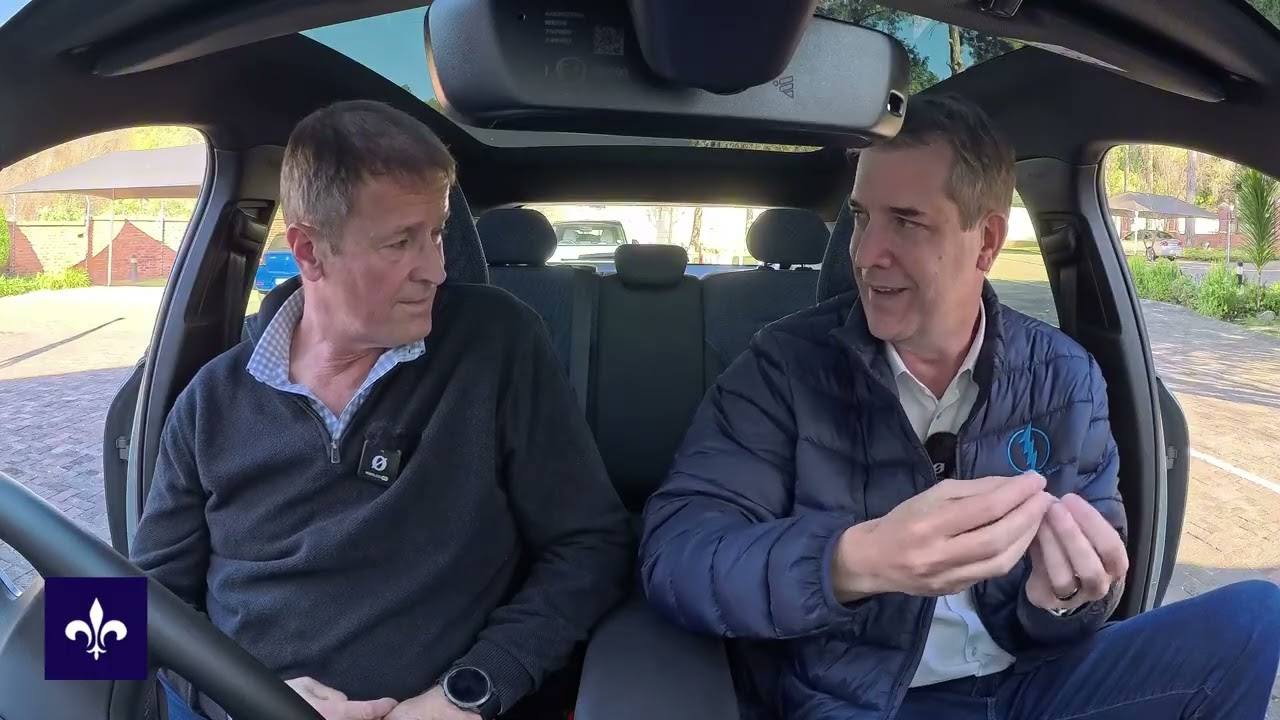
Related video
Watch the source story

About the author
Clynton Yon
Guest contributor
Clynton carries the official Lexus Life byline for The Lexus RZ's Quiet Revolution, written in collaboration with Greg Cress.
Evidence
Sources and disclosure
Originally published by Lexus Life. Written by Clynton Yon in collaboration with Greg Cress; republished on Electric One with Greg Cress’s co-owner permission. Charging photographs supplied by Greg Cress.
Editorial note: Originally published by Lexus Life. Clynton Yon is the official Lexus Life byline; Greg Cress confirms that he co-wrote the article, supplied the charging photographs, and has authorised Electric One republication.
- Original Lexus Life article: The Lexus RZ’s Quiet Revolution
- Greg's Lexus RZ Drakensberg journey - Electric One
- Lexus South Africa introduces the all-new RZ
- Lexus Europe technical release for the new RZ
- New Lexus RZ specifications and prices in South Africa
- GridCars public charging network
- TechCentral EV ownership discussion with Greg Cress and Gary Scott
Further reading
Public conversations and context
TechCentral / Podcast
Everything you wanted to know about EVs but were afraid to ask
TechCentral / Article
What happened when SA's largest EV battery met SA's fastest DC charger
WesBank Talks Finance / Podcast
Is there an electric car in your future?
TopAuto / Article
The tipping point for electric cars in South Africa
Keep reading
Related Insights
Are Electric Cars Ready for South Africa? A Practical Buyer’s Guide
Greg Cress explains how South African drivers can decide whether an electric car fits their home charging, daily routes, road trips, running costs, and ownership plans.
Why 800V Charging Matters for South African EV Drivers
Greg Cress explains the simple physics behind 800V EV charging, why it matters for the Volvo ES90, and why South African charging infrastructure is moving in this direction.
Continue the conversation
Ask Electric One a practical EV question.
Send a follow-up, correction, or topic idea for a future Insight.